If you pick the wrong size telehandler, you waste money and delay projects. Too small makes it hard to get things done. Costs go up when things are too big. So how do you make the right choice?
The right telehandler size depends on lift height, load capacity, jobsite space, and application needs. Most construction projects use 3–6 ton models with 7–14 meter lift heights. Matching the telehandler machine to real working conditions improves safety, reduces telehandler price waste, and increases resale profitability.
Let’s look at sizes, uses, and smart ways to buy.
What Sizes Do Telehandlers Come In?
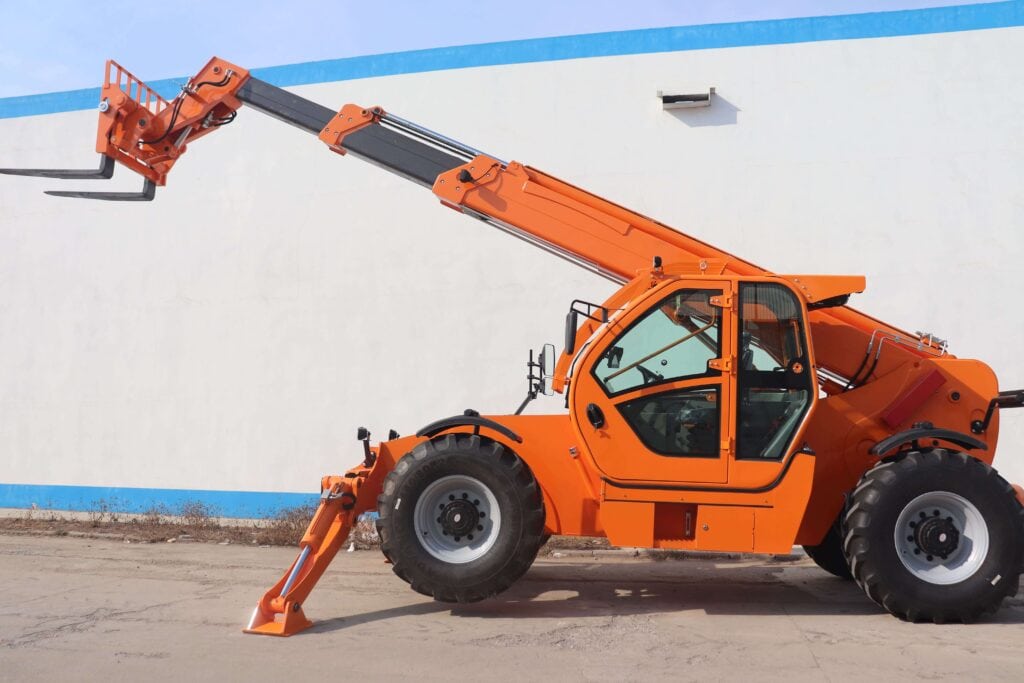
Before looking for a telehandler for sale, buyers usually want to know what sizes are available. Size isn’t just about how big something is. It has a maximum lift height, a maximum load capacity, an operating weight, and a maximum width. These things have a direct impact on safety, performance, and planning for transportation.
Most telehandlers can lift between 2.5 and 6 tons and have lift heights between 6 and 18 meters. A mini telehandler or small model of a telehandler usually has a capacity of 2.5 to 3 tons and is small in size. Larger telescopic handlers, on the other hand, are made for heavy industrial lifting.
The most common telescopic handler forklifts in developing markets are 3-ton and 3.5-ton models with a reach of 10 to 14 meters. They are both flexible and cheap. A mini telehandler for sale is perfect for construction sites in cities where space is tight. Larger telescopic telehandlers are used in the mining and infrastructure sectors.
When comparing telehandlers and forklifts, it also helps to know about size categories. Telescopic handler equipment extends forward and up, which makes it more flexible on uneven ground than regular forklifts. Choosing the right specification makes sure that your telehandler machine meets the needs of your job instead of just following market trends.
What Telehandler Size Is Best For Construction Companies?
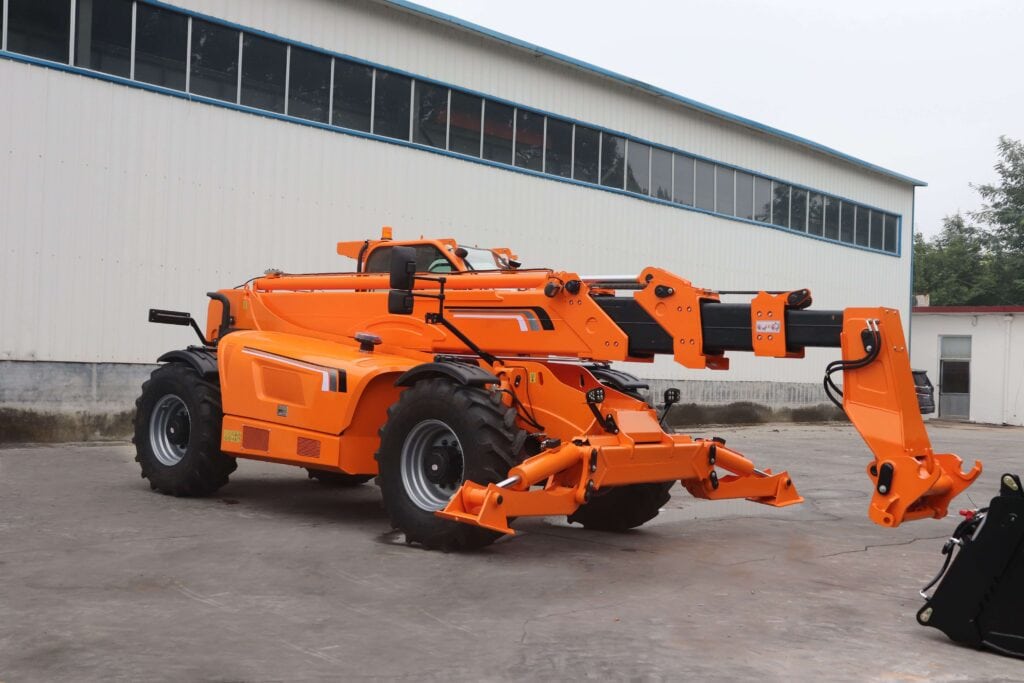
Construction companies need tools that can do a lot of different things well. If you choose the wrong telehandler forklift, it might not work as well as it should or it might cost you more than you need to. The most important thing is to match the type of project with the lifting needs.
A 3–4 ton telehandler with a lift height of 10–14 meters is the best choice for general construction because it is both flexible and cost-effective. It can lift pallets of cement, steel beams, scaffolding, and concrete blocks without needing to buy big, expensive tools.
Residential contractors like mini telehandlers because they can easily get around tight job sites. For a higher reach, commercial builders usually choose mid-range telescopic handlers. When looking at telehandler prices, buyers should look at how much work they can get done in an hour instead of just how much they cost to buy.
A lot of distributors are selling telehandler forklifts as a replacement for regular forklifts. A telescopic handler can be used as both a forklift and an elevated lifting platform, which is why. This flexibility makes better use of equipment. For construction companies in markets that are growing, mid-size models give a faster return on investment while keeping fuel and maintenance costs reasonable.
Does Bigger Telehandler Size Mean Better Performance?
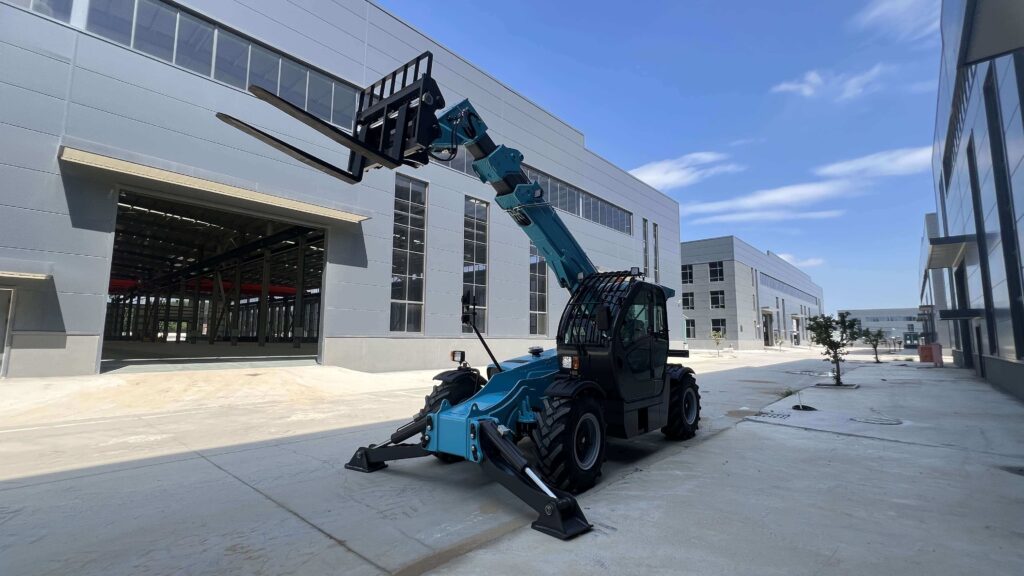
People often think that bigger telehandlers work better. But bigger machines don’t always make more money. Performance should be based on the work that needs to be done, not on how you feel about yourself.
A bigger telescopic telehandler can lift more and higher, but it also uses more fuel, costs more to move, and costs more overall. Choosing the right specification for daily operations is what makes things run smoothly.
For instance, a heavy 5-ton telehandler machine may need special permits to be moved and cost more to ship. On the other hand, a small telehandler model is cheaper to ship and fits standard containers better. When comparing telehandlers and forklifts, keep in mind that telehandlers already have longer reach, so you might not need to make them bigger.
When there isn’t much room, big machines can have trouble. On the other hand, machines that are too small could overload, which could affect safety and durability. Before recommending a telehandler for sale, a professional supplier should give you load charts and technical advice. When the lifting capacity, boom reach, and site conditions are just right, real performance happens.

What Is The Biggest Telehandler In The World?
Some people who want to buy a telehandler want to know how big they can get. The biggest telescopic handlers in the world are engineering marvels made for mining and heavy industry.
The biggest telehandlers can lift more than 20 tons and reach heights of more than 20 meters. These big telescopic handler forklifts are made for mining, oil, and other specialized infrastructure projects.
These giant machines are impressive, but they aren’t very useful for normal construction distribution. Their telehandler costs a lot more, and only trained technicians can do the maintenance. Moving such a big telehandler machine requires careful planning of the logistics and costs more to ship.
Most construction companies and distributors make more money with mid-size telescopic handler models. A telehandler forklift that can lift 3 to 4 tons is easier to sell, easier to keep in good shape, and can be used for more things. Extreme size is impressive for marketing, but profitability usually comes from practical equipment that meets daily jobsite needs.
How Does Telehandler Size Affect Transportation And Logistics?
The size of a telehandler has a direct impact on the profit margins of importers and exporters. When choosing a telehandler for sale, people often don’t think about logistics planning enough.
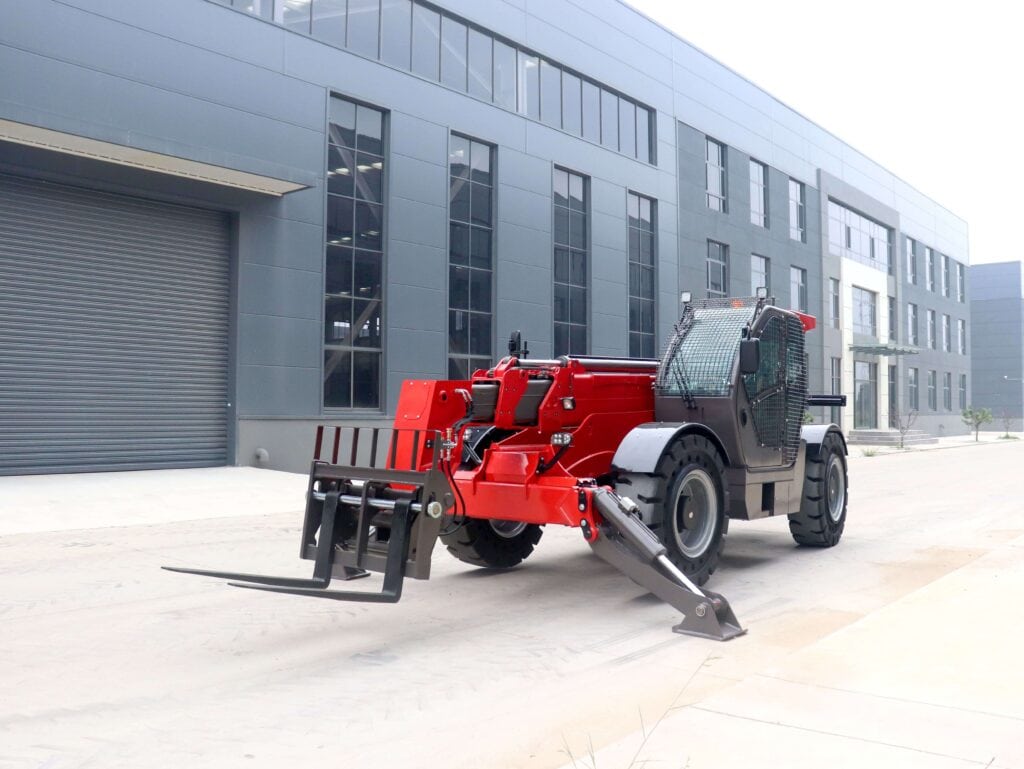
Larger telescopic handlers make shipping taller and heavier, which raises the cost of shipping. Compact or mini telehandler models help you get the most out of your shipping containers and lower the cost of shipping each unit.
A telescopic telehandler with a foldable boom design can lower the height of shipping, so more than one unit can fit in one container. This makes the price of a telehandler that lands in other countries much lower. Before buying a telehandler forklift for sale, buyers should ask for plans for loading containers.
In places like South America or Africa, how well shipping works affects how competitive resale prices are. A small telehandler model might not be able to lift as much, but it could make more money because it costs less to ship. If you plan ahead, you can be sure that the telehandler machine you choose will still be competitive after you add up the costs of shipping, taxes, and local distribution.
Can I Put A Bucket On A Telehandler?
A lot of people who buy telehandlers want them to do more than one thing. People often ask if they can put on attachments like buckets.
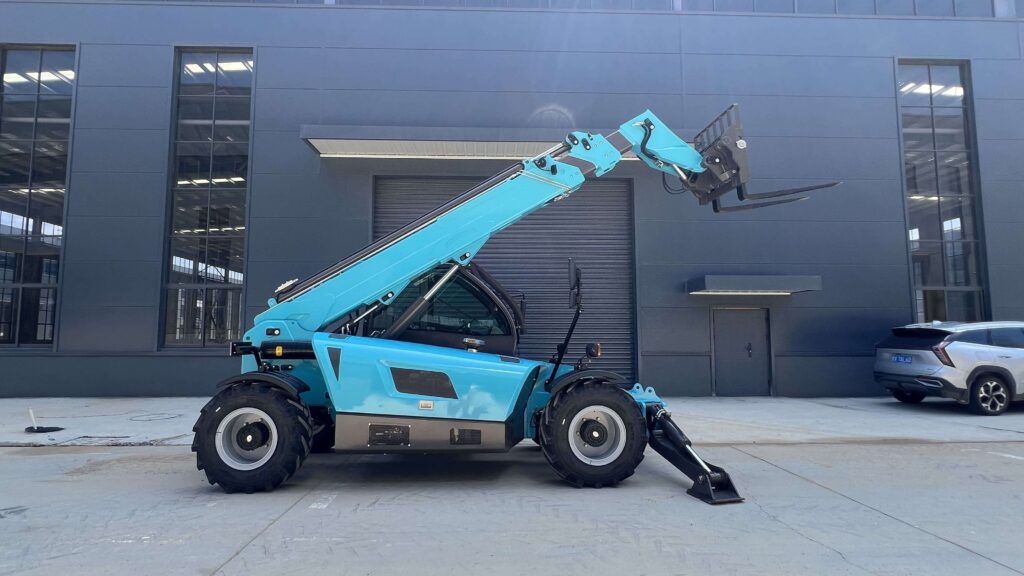
Yes, most telescopic handlers can use different attachments, like pallet forks, lifting jibs, work platforms, and a telehandler with a bucket. Whether or not something works with another thing depends on the hydraulic flow and the design of the coupler.
Putting a bucket on a telescopic handler turns it into a light earthmoving tool. This makes it easier to use equipment, especially in farming and small construction projects. A mini telehandler with a bucket is great for farms and landscaping.
But you need to include the weight of the attachment in the load calculations. Overloading makes things less safe and less likely to break. When they sell a telehandler forklift, trustworthy suppliers give you compatibility charts and technical documentation. A comparison of telehandlers and forklifts shows that telehandlers are much more flexible when it comes to attachments than traditional forklifts. One reason why telehandlers are in high demand around the world is because they can be used for so many different things.
How To Choose The Right Telehandler Size From A Chinese Supplier?
Choosing the right size telehandler isn’t just about its technical specs. Long-term success depends on how reliable your suppliers are.
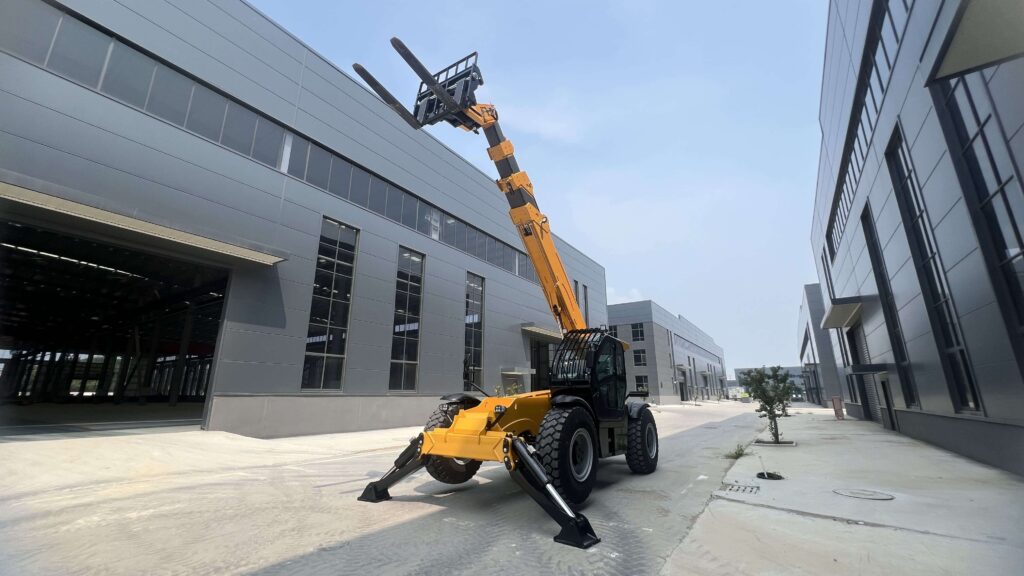
Work with experienced exporters who give you load charts, certification documents, inspection reports, and clear production schedules. Clear communication makes sure that the telehandler machine meets the needs of your market.
When looking at a telehandler for sale, make sure it has CE certification, a good hydraulic system, and meets structural welding standards. Instead of picking the lowest quote, compare the price of the telehandler with the details of its configuration. A professional supplier should be able to tell you what makes a mini telehandler, a mid-size telescopic telehandler, and a heavy-duty model different from each other.
If you’re buying from another country, make sure to ask about spare parts and after-sales support. Technical clarity helps you avoid expensive mistakes when you buy a telehandler forklift or look at telescopic handler forklifts. Choosing the right size and supplier will ensure that the resale value stays high and that customers are happy with their purchase for a long time.

ملخص
The right size telehandler strikes a balance between capacity, cost, logistics, and versatility, which makes sure that it is as productive as possible and can be sold for a good price in competitive construction markets. If you have any other questions about telehandlers, please اتصل بنا.