Choosing between a wheel loader and an excavator might be challenging. Many buyers make costly blunders because they do not completely understand each machine’s specific purpose.
The main difference between a wheel محمل and an excavator lies in their functions: wheel loaders handle fast loading and transport, while excavators specialize in digging and demolition. If you’re comparing a wheel loader vs excavator, your choice depends on speed, precision, and your specific construction needs.
Let’s look at their functions, efficiency, pricing, and longevity so you can make the best purchase option.
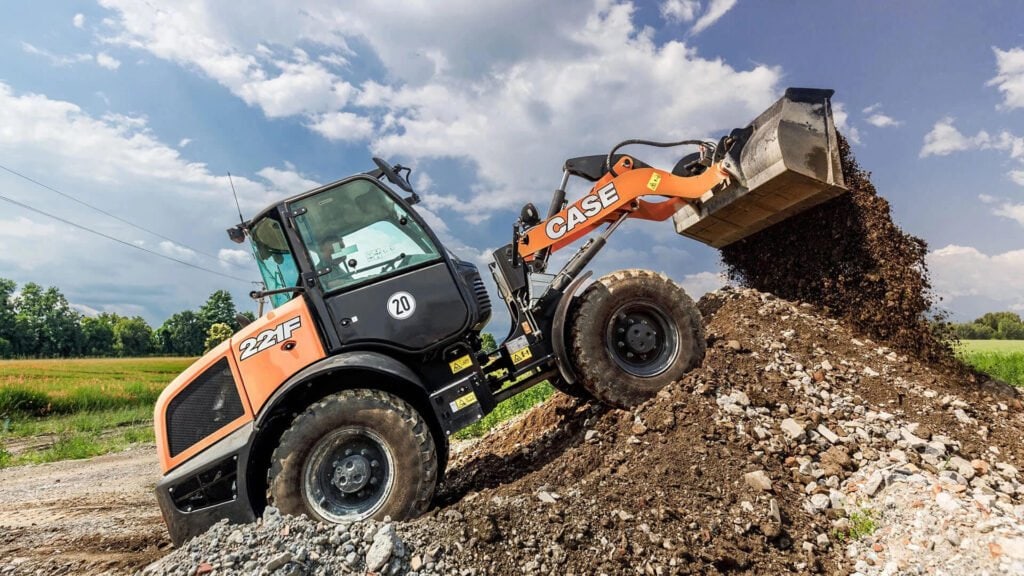
What Is A Wheel Loader And How Does It Work?
A wheel loader is one of the most effective earthmoving machines used in the construction and mining industries. It’s also known as a front loader or bucket loader and is frequently seen at quarries, mining sites, and road construction projects. The classic excavator vs loader debate begins here—each serves a certain purpose, and recognizing them is critical to making sound decisions.
A wheel loader is intended to lift, scoop, and transport loose materials like sand, gravel, or dirt. It uses a huge front bucket to quickly transport heavy goods from one location to another. Unlike an excavator, which is primarily geared for digging, a wheel loader concentrates on mobility and speed.
Top-tier wheel loaders produced by brands such as قطة, Komatsu, and SANY are trusted around the world. Buyers looking for low-cost solutions frequently choose a used loader for sale or second-hand loader, which may nevertheless provide good performance when properly maintained.
When looking for a used loader for sale, always consider the tire condition, working hours, and hydraulic system. Whether you’re looking to buy a CAT excavator or a used loader, thorough inspection ensures dependability and long-term efficiency. For buyers in Africa and South America, Chinese excavator exporters such as Hiosen offer secondhand loader equipment with exceptional value and certificates.
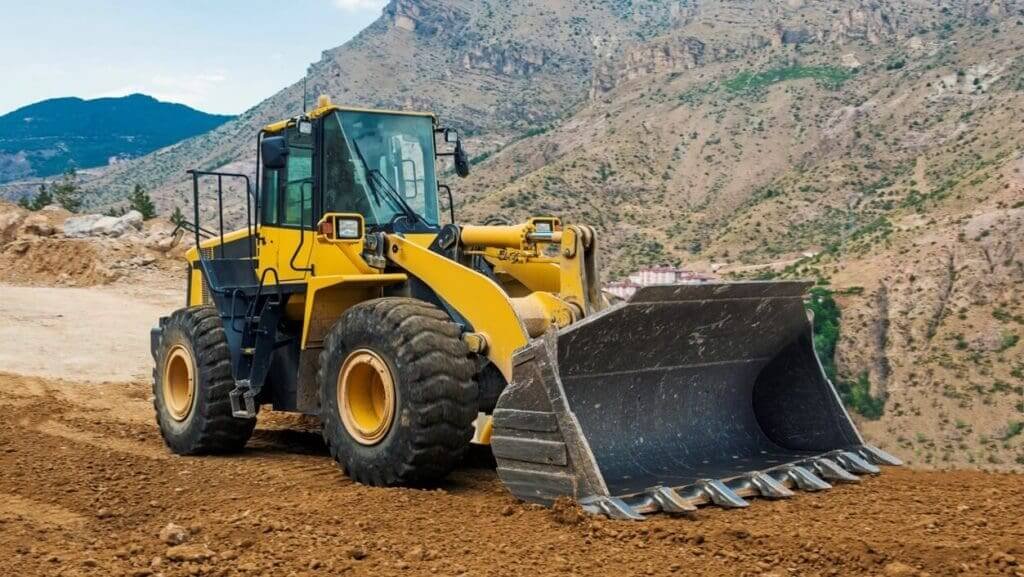
What Is An Excavator And What Is It Used For?
Excavators—also known as trackhoes or hydraulic excavators—are crucial machines in construction, mining, and demolition. Excavators specialize in digging, trenching, and lifting, as opposed to loaders and excavators, which are designed for loading.
It has a boom, arm, and bucket system that enables deep and precise excavation. Excavators and loaders work well together on the job site: one digs while the other moves. Modern excavators, such as the CAT, كوماتسو, Volvo, and SANY excavators, are outfitted with modern hydraulic systems for power and control.
There are several sorts of excavators, including mini excavators, micro excavators, dragline excavators, and railroad excavators. Compact excavators like the Kubota mini excavator, Hitachi mini excavator, and Mecalac excavator are perfect for urban construction and gardening. For larger work, you can consider a 13-tonne excavator, a CAT 315 for sale, a CAT 330 excavator for sale, or even a CAT 390 long reach.
Prices vary greatly. The pricing of a CAT 323F or CAT 320F differs from the rental cost of a smaller mini excavator. Whether you’re looking for an excavator for sale, a rental, or a used excavator, understanding your project specifications and an excavator size guide will help you obtain the best deal.
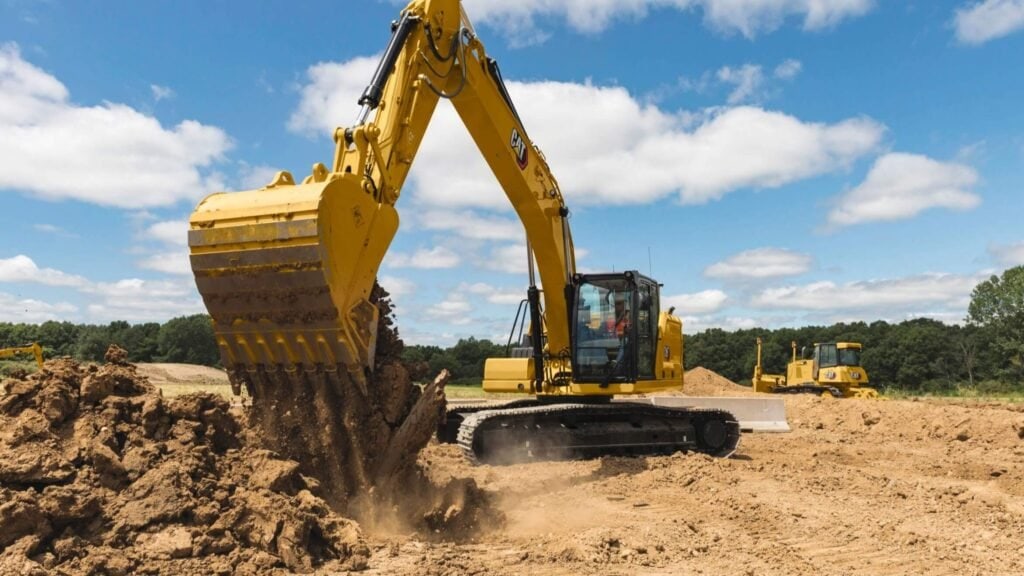
Wheel Loader vs Excavator: Which One Is More Efficient?
The nature of job determines efficiency when comparing wheel loaders with excavators. A wheel loader machine allows for faster loading and delivery of loose goods. However, when it comes to precise digging and demolition, the excavator triumphs.
Wheel loaders move quickly over vast distances on-site, whereas excavator tracks enable for reliable operation over rough terrain. For contractors that move materials frequently, a front loader vs excavator setup benefits the loader. However, a hydraulic excavator or track hoe is better suited for trenching, deep foundations, and demolition.
If you manage excavator operator employment, knowing how to pair these machines improves project efficiency. Contractors commonly rent mini excavators for minor chores, whereas used loaders for sale are employed for heavier material handling.

Which Machine Costs More: Wheel Loader Or Excavator?
The cost comparison between excavators and loaders shows that excavators are often more expensive due to superior hydraulics and adaptable design. Excavator prices vary by size, with compact micro excavators for sale being less expensive than massive CAT 390F specifications or CAT 320 excavators for sale.
In contrast, wheel loaders are less expensive to maintain and run. For example, a used or second-hand loader provides significant savings while maintaining reliable performance. A used for sale alternative can be a wise investment for startups or small contractors.
When purchasing from China, exporters such as Hiosen provide pre-inspected and certified secondhand excavators and loaders for export. Machines like as the حفارة كات, Komatsu excavator, and SANY excavator are very popular throughout the Middle East and South America due to their extended lifespan and availability of replacement parts.
Buyers should carefully compare excavator prices to their whole lifespan cost, which includes maintenance, fuel, and resale value. Excavator wheel types with updated technology may have higher initial prices, but they provide greater efficiency and lower fuel use.

Should You Buy A Used Wheel Loader Or Excavator?
Purchasing used equipment, such as a used excavator, secondhand loader, or used loader for sale, can result in significant savings. Reputable exporters test and restore machinery before exporting to ensure long-term reliability.
Reliable exporters with over 15 years of expertise, such as Hiosen in China, provide high-quality used excavators and CAT excavator selling units. Buyers in Africa, South America, and the Middle East frequently prefer Chinese excavator models due to their affordability and quality balance.
When deciding between a used loader and a used excavator, consider the hydraulic systems, undercarriage, and engine hours. Machines like كات 308 د for sale, CAT 315 for sale, and CAT 323F pricing alternatives have a high resale value.
If you prefer smaller units, look into mini excavator for sale, smallest mini digger, or temu mini excavator ads. Remember that maintenance history and accreditation are more important than price tags, particularly for heavy-duty duties such as construction digger work or excavation in tough terrain.
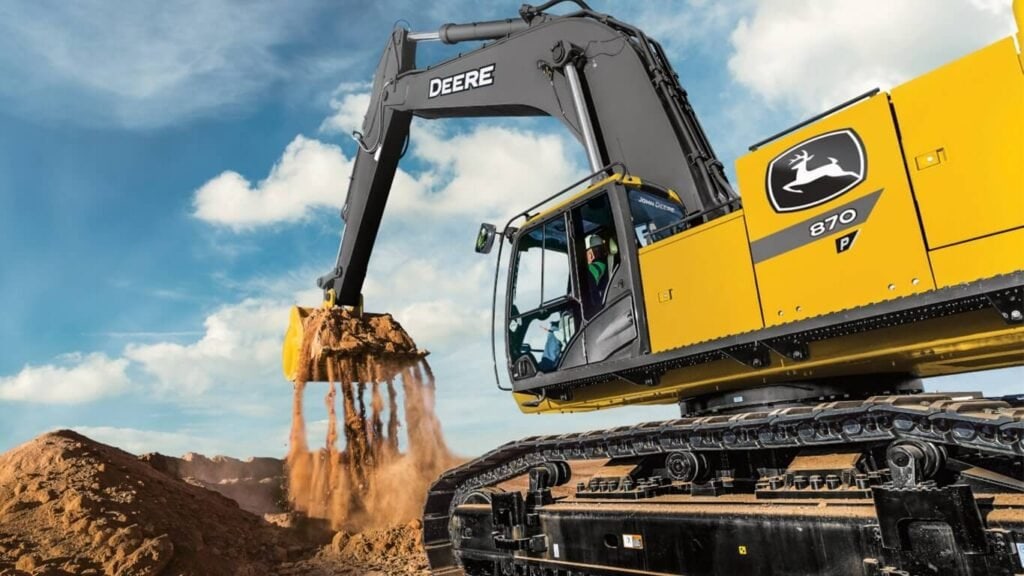
What Is The Life Expectancy Of A Wheel Loader?
The wheel loader is designed to endure between 8,000 and 12,000 hours. However, its real life expectancy is dependent on maintenance, workload, and operating conditions.
Proper maintenance and use of genuine parts considerably increases its longevity. To avoid downtime, replace damaged tires, keep the hydraulic system clean, and change the oil on a regular basis. Models such as قطة, Komatsu, and Volvo loaders are well-known for their dependability in harsh environments.
Buyers looking for a used or second-hand loader should always obtain maintenance documents. A well-maintained wheel loader vs excavator machine can survive for over ten years with adequate upkeep.
For major construction enterprises, possessing both excavators and loaders provides flexibility. You can use your loader for heavy lifting and your excavator for digging or demolition. Understanding the advantages of excavators vs front loaders can help you plan long-term equipment purchases.

ما هو العمر الافتراضي للحفارة؟
Excavators typically endure from 9,000 to 15,000 hours, depending on type and upkeep. Heavy-duty units, such as the CAT 330 excavator for sale or the CAT 390 long reach, can last even longer when operated professionally.
A well-maintained hydraulic excavator or trackhoe can work for more than a decade. Key brands—CAT excavator, Komatsu excavator, SANY excavator, and Liebherr excavator—provide a strong build quality for long life.
To extend the life of an excavator, operators should check the tracks, replace filters on a regular basis, and use clean hydraulic oil. To ensure resale value, rental companies frequently keep meticulous records of working hours. Mini excavator rental costs vary depending on the period and model size.
Smaller machines, such as the Kubota mini excavator or Mecalac excavator, are ideal for little operations and have lower operating expenses. Excavator operators should remember that gentle operation and frequent maintenance have a significant impact on longevity.
When comparing excavator and loader life expectancy, the excavator may last longer—but only if properly repaired and managed by skilled personnel.

ملخص
The choice between excavators and loaders is determined by the project kind, budget, and longevity. Balance speed and precision, and engage in excellent maintenance to ensure long-term performance.