Modern construction projects require heavy lifting, digging, and material transportation, but without the right machinery, these tasks can be time-consuming, labor-intensive, and inefficient.
Picture trying to dig a foundation by hand or move large volumes of earth with basic tools—it’s impractical and delays progress. Inefficiencies in such critical tasks can lead to missed deadlines, skyrocketing costs, and frustrated teams.
Enter the excavator: a versatile and powerful piece of machinery designed to handle these challenges with speed and precision. This article will break down what an excavator is, how it works, and why it’s indispensable in construction projects. By understanding its capabilities, you’ll gain a deeper appreciation of its role in transforming construction and earthmoving efficiency.
1. What Is an Excavator?
An excavator is a powerful, multifunctional machine used extensively in construction and other industries for excavation, material handling, and site preparation. It is known for its durability, efficiency, and ability to handle challenging tasks in various environments.
Key Components of an Excavator (Expanded)
- Kabine: This serves as the operator’s control center, offering ergonomic seating, visibility, and advanced controls. Modern excavators often come with air-conditioning, touchscreens, and noise reduction systems to enhance operator comfort.
- Boom and Arm: The excavator’s reach and digging depth depend on the boom and arm’s design. Some models feature adjustable or long-reach booms for greater flexibility.
- Bucket: Buckets come in multiple sizes and designs, including general-purpose, rock buckets, and tilt buckets for precision work.
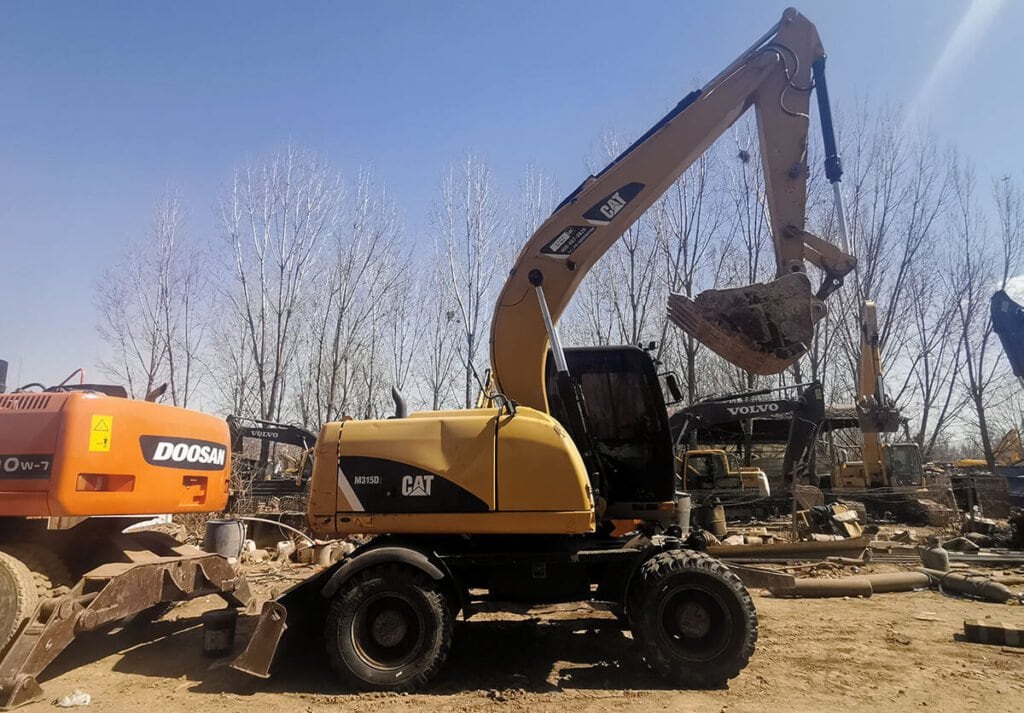
- Tracks or Wheels: Track systems are ideal for rough or muddy terrain, providing stability and traction. Wheeled excavators are more suited for urban or paved environments, offering faster mobility.
- Hydraulic System: This system provides the power for all movements and attachments, ensuring high precision and force to perform heavy-duty tasks efficiently.
- Excavator Swing Bearing: The swing bearing supports the rotation of the upper structure relative to the undercarriage, enabling smooth 360-degree slewing. It typically includes seals, grease lubrication, and a distribution of load to maintain stability and reduce wear during operation.
- Excavator Undercarriage Parts: The undercarriage comprises replaceable components such as tracks or treads, idlers, rollers, sprockets, and final drives, which collectively support mobility, weight distribution, and track tension.
Types of Excavators (Expanded)
- Mini Excavators: Perfect for residential or small-scale projects, offering easy maneuverability and reduced ground damage.
- Standard Excavators: Widely used for general construction and excavation tasks, balancing power and efficiency.
- Long Reach Excavators: Designed for specialized tasks like dredging, with extended booms to reach far-off points. They are often used for riverbanks and large-scale demolition.
- Crawler Excavators: Built for challenging terrains, offering powerful digging capabilities with their track system.
- Wheeled Excavators: Ideal for urban settings, providing speed and versatility for paved surfaces.
2. How Does an Excavator Work?
Excavators utilize advanced hydraulic systems, precision controls, and powerful engines to perform a wide range of tasks efficiently. Their versatility is enhanced by operator skill and compatibility with various attachments.
The Hydraulic System
- Hydraulic Fluid Movement: Pressurized hydraulic fluid circulates through hoses, enabling the boom, arm, and bucket to move seamlessly.
- Cylinders and Valves: Hydraulic cylinders act as pistons, delivering high torque and force for heavy lifting or digging.
- Efficient Power Distribution: The system ensures power is directed to the required attachment or function, optimizing performance.
Operator Control
- Joystick and Pedals: Operators control movement, speed, and attachments through intuitive joysticks and foot pedals.
- Digital Enhancements: Advanced models feature GPS integration, automated controls, and monitoring systems for precision and real-time feedback.
Vielseitige Anbaugeräte
- Buckets: Standard or specialty buckets for digging, grading, and trenching.
- Hydraulic Breakers: Designed to demolish concrete, asphalt, or stone.
- Augers: Useful for boring holes, often used in fencing or foundation work.
- Grapples: Ideal for handling materials like logs or scrap metal, enhancing the excavator’s versatility.
3. What Are Excavators Used for in Construction?
Excavators are crucial for construction projects due to their adaptability and power, enabling various essential operations on-site.
3.1 Digging Foundations and Trenches (Expanded)
Excavators offer unmatched precision in digging foundations or trenches for buildings, pipelines, and utilities. Their reach and depth capabilities make them indispensable for accurate excavation.
3.2 Demolition (Expanded)
Equipped with hydraulic breakers or shears, excavators can safely and efficiently dismantle buildings, bridges, or other structures. Their ability to reach high points makes them ideal for controlled demolition.
3.3 Material Handling (Expanded)
Excavators with grapples or forks are commonly used to move construction materials like steel beams, pipes, and debris, streamlining site operations.
3.4 Grading and Landscaping (Expanded)
Grading attachments allow for leveling land, creating slopes, or preparing areas for construction. Landscaping tasks, such as creating gardens or water features, are easily managed with mini excavators.
3.5 Earthmoving (Expanded)
Excavators are critical in road building, dam construction, and large-scale earthworks, efficiently shifting soil and rock to create new landscapes.
4. Advantages of Using Excavators in Construction
Excavators are indispensable for modern construction, providing numerous benefits that improve project efficiency and cost-effectiveness.
4.1 Efficiency and Speed
With powerful engines and hydraulic systems, excavators significantly reduce project timelines by performing tasks like digging or demolishing quickly.
4.2 Precision
Advanced models with GPS and automated controls ensure operators achieve precise results, even in complex tasks like grading or trenching.
4.3 Versatility
From digging to drilling, excavators adapt to diverse requirements with ease. Their ability to switch between attachments enhances their utility across industries.
4.4 Durability
Manufactured with high-grade materials, excavators are built to endure harsh environments and intensive use, ensuring reliability across projects.

5. Factors to Consider When Choosing an Excavator
Selecting the right excavator ensures cost savings and operational efficiency. Here are key aspects to evaluate:
5.1 Project Type
Identify your project’s scale and specific needs to choose between mini, standard, or long-reach excavators.
5.2 Terrain
Assess the worksite conditions—tracks perform better in muddy, rocky, or uneven terrains, while wheels are more efficient on urban or firm surfaces.
5.3 Attachments
Determine which attachments are required, such as augers for boring holes or breakers for demolition, to enhance versatility.
5.4 Operating Cost
Evaluate fuel consumption, maintenance schedules, and spare parts availability to ensure your choice aligns with budgetary constraints.

6. Future Trends in Excavator Technology
The excavator industry is rapidly evolving, integrating innovative technologies to meet modern construction demands.
6.1 Automation and AI
Autonomous excavators powered by AI offer precision, reduce operator fatigue, and ensure safety in challenging environments.
6.2 Electric and Hybrid Models
As sustainability becomes a priority, manufacturers are developing electric and hybrid excavators that lower carbon emissions without compromising performance.
6.3 Enhanced Operator Interfaces
Future models will feature augmented reality (AR), 3D mapping, and advanced diagnostic tools to provide operators with real-time insights and improve operational efficiency.
6.4 Smart Monitoring Systems
Excavators now feature telematics and real-time monitoring systems that provide detailed data about fuel consumption, engine performance, hydraulic efficiency, and maintenance needs. These systems enable operators and fleet managers to optimize usage, minimize downtime, and reduce long-term costs.
6.5 Modular Attachments and Customization
Manufacturers are focusing on creating modular attachment systems to simplify switching between tools like grapples, hammers, and buckets. Additionally, customizable excavator models that cater to specific industries or tasks are being developed, offering better utility and flexibility.
6.6 Connectivity and IoT Integration
The Internet of Things (IoT) is revolutionizing the construction industry, and excavators are no exception. IoT-connected excavators can communicate with other equipment on-site, creating a synchronized workflow. Such connectivity allows for predictive maintenance alerts, remote diagnostics, and fleet management, which enhance operational efficiency.
6.7 Environmental Innovations
- Emission Reduction: With stricter environmental regulations, manufacturers are adopting advanced engine technologies and hybrid systems to reduce emissions.
- Noise Control: Noise-reducing designs ensure that excavators can operate in urban areas without disturbing surrounding environments.
- Recyclable Materials: Manufacturers are also utilizing recyclable and eco-friendly materials in excavator production to minimize their environmental footprint.

8. How to Maximize Excavator Productivity
Excavator performance can be optimized through a combination of proper maintenance, skilled operation, and effective planning.
8.1 Regular Maintenance
Maintaining excavators involves:
- Hydraulic System Checks: Regular inspections of hoses, valves, and seals to avoid leaks or pressure drops.
- Engine Servicing: Timely oil changes, air filter replacements, and coolant level checks to ensure smooth operation.
- Track or Wheel Care: Monitoring wear and tear, ensuring alignment, and replacing damaged components when needed.
8.2 Operator Training
Well-trained operators significantly improve productivity and safety. Training programs should focus on:
- Mastering control systems, including joystick and pedal operation.
- Learning advanced techniques like precision grading and trenching.
- Understanding machine limits to prevent overloading or misuse.
8.3 Use of Attachments
The right attachment can make a significant difference in performance:
- Buckets for Digging: Choose between general-purpose and specialized buckets for specific soil types.
- Augers for Drilling: Use augers for creating holes in various materials, from soil to concrete.
- Thumb Attachments: Enhance grip strength for handling irregular materials like logs or scrap.
8.4 Fleet Management
For businesses managing multiple excavators, an efficient fleet management system is crucial:
- Telematics: Use GPS and monitoring systems to track machine usage and location.
- Centralized Maintenance Scheduling: Ensure all machines receive timely service to avoid breakdowns.
- Performance Tracking: Analyze data to identify areas for improvement or upgrade.
8.5 Workflow Optimization
Integrating excavators into a well-organized workflow can maximize efficiency:
- Task Prioritization: Assign excavators to tasks that require heavy lifting or precise digging to save time and labor.
- Coordination with Other Equipment: Ensure seamless collaboration with loaders, trucks, or cranes on-site.
- Adaptability: Adjust plans based on weather conditions, site restrictions, or equipment availability.

Abschluss
Excavators are at the heart of construction and earthmoving projects, offering unmatched versatility, efficiency, and precision. From digging foundations to demolishing buildings, their impact on the industry is profound. Understanding what an excavator is and how it works empowers you to choose the right equipment, ensuring your projects are completed on time and within budget. With advancements in technology, excavators are poised to become even more essential in shaping the future of construction.