Choosing between a bulldozer VS wheel loader might be challenging. The improper option can waste fuel, time, and money, especially for construction enterprises that require efficiency.
A bulldozer is ideal for pushing, leveling, and grading surfaces, while a wheel loader excels at lifting, loading, and transporting materials. If your project involves large-scale earthmoving, the bulldozer wins. For frequent material handling, the wheel loader is more cost-effective. Understanding your job site needs helps you choose the right machine confidently.
Let’s look at the differences, pricing, and performance of each equipment to see which one is best suited for your construction project.
What Is The Difference Between A Wheel Loader And A Bulldozer?
When comparing a bulldozer and a wheel loader, it is critical to understand their design and function. Both are essential construction tools, although their purposes differ greatly.
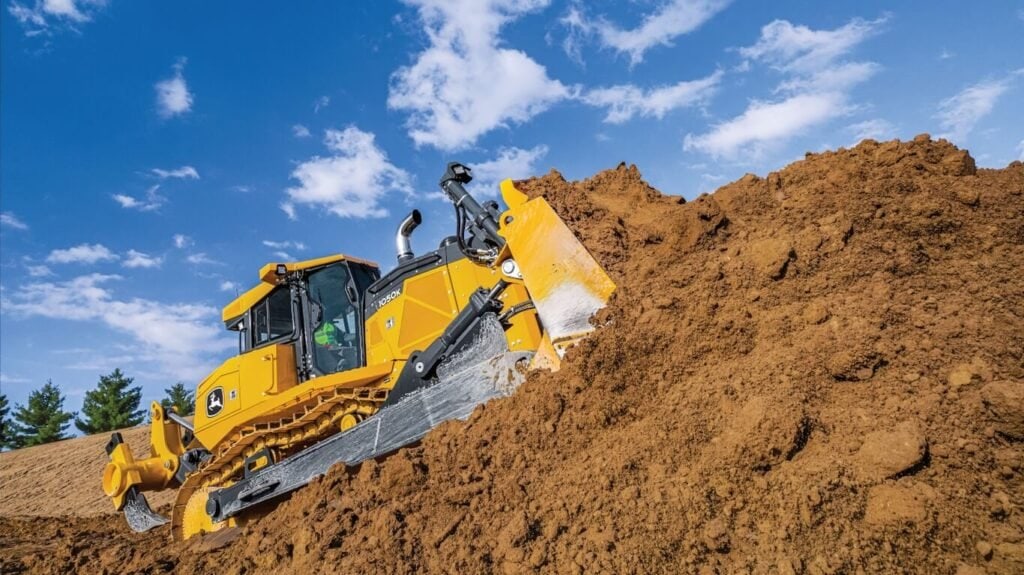
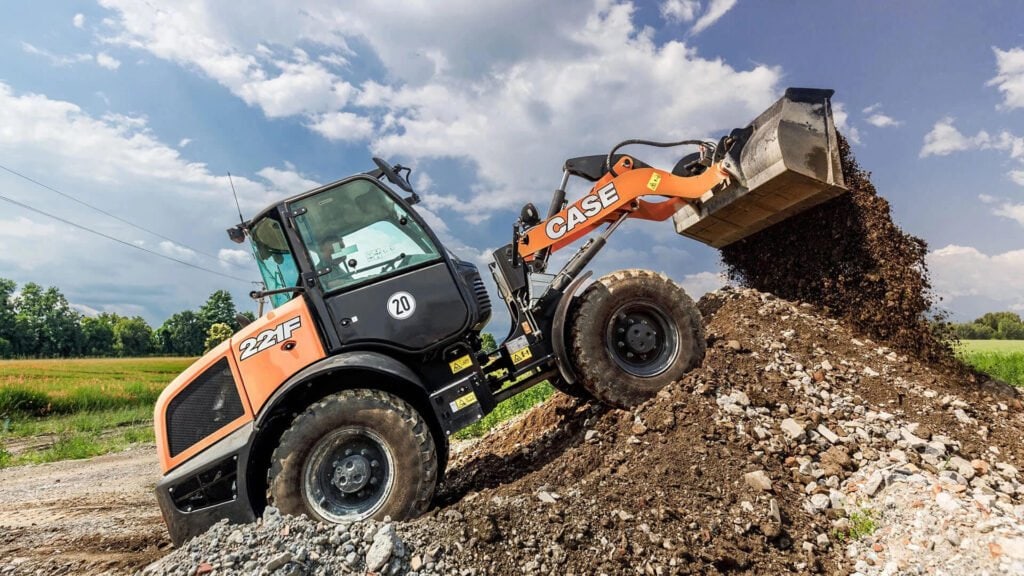
A bulldozer pushes and levels earth with its massive metal blade, whereas a wheel loader lifts and transports goods with its big bucket. Bulldozers use tracks to go around, whereas loaders use wheels.
A excavadora, often known as a dozer or crawler bulldozer, employs continuous tracks to provide optimum traction over soft or uneven terrain. Caterpillar bulldozers and d4 bulldozers are popular examples for grading roads, clearing property, and leveling ground.
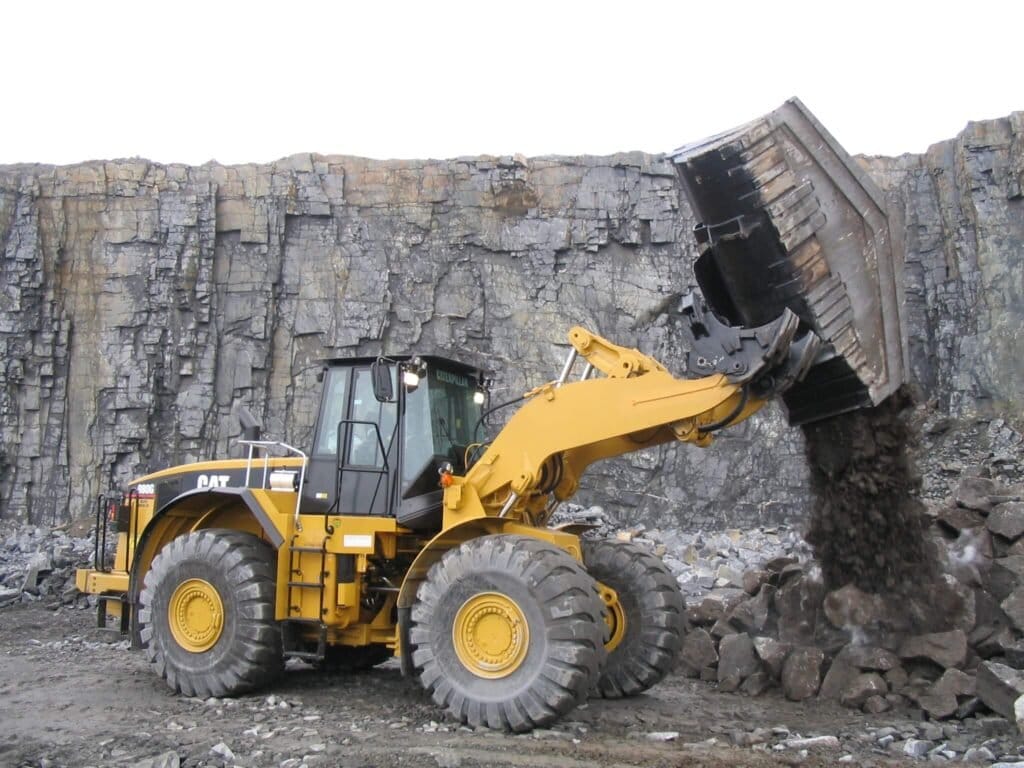
A wheel loader, on the other hand, uses tires for faster travel and improved agility. Examples include the Komatsu wheel loader, Volvo wheel loader, and Caterpillar wheel loader. The Cat wheel loader and the Kubota wheel loader are good choices for loading trucks and transferring gravel. While a bulldozer gives more stability on tough terrain, a wheel loader performs better on flat surfaces.
What Are The Disadvantages Of A Bulldozer?
While the bulldozer is a powerful equipment, it has some limitations that limit its effectiveness in some situations.
Bulldozers function badly in slippery or uneven terrain with inadequate traction. They also consume more fuel, travel at slower speeds, and cost more to operate and repair.
The bulldozer definition emphasizes its function: to push, dig, and level materials. However, each type of bulldozer, such as the micro bulldozer, small bulldozer, or construction equipment bulldozer, has its own set of tradeoffs.
A crawler bulldozer has strong traction but limited movement. A cat bulldozer or a JCB bulldozer may be of superior quality, but they are also more expensive. Furthermore, the bulldozer for sale market demonstrates that maintenance costs can vary greatly depending on the model and use.
When it comes to efficiency, wheel loaders such as the xcmg, liugong, and sdlg wheel loaders frequently outperform in terms of speed and variety. This makes them better suited to duties that demand continuous movement and loading.

Is A Dozer The Same As A Loader?
Although they may appear similar on a construction site, a dozer and a loader serve quite different purposes. A bulldozer pushes and levels earth, whereas a loader lifts, loads, and transports items.
A dozer moves dirt efficiently with a wide blade, but a wheel loader caterpillar or Komatsu loader for sale scoops and dumps items using a bucket. On a large site, you’ll frequently see both working side by side—the bulldozer prepping the surface and the wheel loader carrying stuff.
If your company works on many projects, it’s a good idea to have both a caterpillar bulldozer for foundation preparation and a JCB or Hitachi wheel loader for material transportation. The variety of loaders available today enables contractors to select the ideal machine for each stage of building.
Bulldozer vs Wheel Loader Price: Which Is More Cost-Effective?
Cost is an important consideration when deciding between a bulldozer and a wheel loader, particularly for contractors on a limited budget. Wheel loaders are often less expensive to buy and maintain than bulldozers. Bulldozers, on the other hand, are more durable and powerful for heavy-duty jobs, which justifies their higher price.
A bulldozer’s price can vary greatly depending on the model and size. A little bulldozer or mini bulldozer may be much less expensive than a full-sized caterpillar bulldozer, but upkeep and parts availability might have an impact on overall costs.
Wheel loader prices are frequently determined by brand—Volvo wheel loaders, Komatsu wheel loaders, small wheel loaders, and Kubota wheel loader models offer varying levels of performance. The wheel loader for sale market also offers financing choices, making ownership more affordable.
Finally, while bulldozer equipment may need a larger initial investment, wheel loader machines frequently provide a greater overall ROI in projects requiring regular material handling.

Bulldozer vs Front Loader: Which Performs Better In Heavy-Duty Jobs?
Heavy-duty jobs such as road building and mining necessitate machines that provide maximum power and efficiency. Bulldozers surpass front-loaders in terms of pushing force and steadiness. Front loaders are excellent at speed, flexibility, and material transfer efficiency.
A construction equipment bulldozer, such as a Cat bulldozer, has better ground penetration and traction due to its track system. It’s perfect for grading and earthmoving over tough terrain.
Meanwhile, a wheel loader or front loader, such as the cat wheel loader or the caterpillar wheel loader, is ideally suited for loading trucks and transferring commodities. A wheel loader mini is also capable of handling smaller construction or landscaping chores.
In essence, for foundational work, select the bulldozer. For operational logistics and transportation efficiency, use the wheel loader.

Track Loader vs Bulldozer: Which Offers Better Traction?
Traction is an important consideration in construction, especially when working on muddy, sloped, or unstable terrain. Track loaders offer balanced traction with greater flexibility, whilst bulldozers provide unparalleled grip and stability over tough terrain.
A crawler bulldozer or cat bulldozer has higher traction, which ensures stability during difficult grading work. A track loader, on the other hand, combines the features of a loader and a dozer, providing modest pushing strength while also increasing mobility.
When comparing bulldozer and wheel loader traction capabilities, the bulldozer machine outperforms on steep slopes and wet conditions, whilst the wheel loader excels on dry, hard ground. Contractors frequently pair both equipment to get the optimal mix of traction and efficiency.
Resumen
Both machines perform differently. Choose a bulldozer for grading and power, or a wheel loader for speed and versatility—the proper machine guarantees construction success.