Choosing the incorrect backhoe size can reduce project efficiency, waste fuel, and cause deadline delays. Let’s address that by determining which backhoe dimensions best suit your building demands.
The most popular pelle rétrocaveuse sizes fall into three categories: small, standard, and large. Small backhoes (6–9 ft dig depth) suit residential work, standard (10–14 ft) fit general construction, and large backhoes (15–17 ft or more) handle heavy-duty excavation. Knowing these backhoe specifications helps you choose smartly and save costs.
Let’s look at how each backhoe size performs in real-world construction conditions.

What Are the Different Backhoe Sizes Available?
Understanding backhoe sizes is critical because selecting the correct equipment influences production, cost, and job site efficiency. Backhoes are versatile devices, however the incorrect backhoe dimension might result in inefficiency or unneeded expenses.
Backhoes are normally classified into three sizes: small backhoe, standard-size backhoe, and large backhoe. Each has its own backhoe specification that determines digging depth, bucket width, and operational weight.
UN small backhoe (also known as a compact backhoe) has a digging depth of 6 to 9 feet, which is perfect for landscaping or modest trenching. These units are portable, easy to operate, and fuel-efficient, making them ideal for homeowners and small contractors.
The standard-size backhoe equipment typically provides 10 to 14 feet of digging depth. This is the most widely utilized range for roadwork, utility installation, and small-to-medium construction projects.
Finally, huge backhoe models, such as CAT backhoe sizes or the JCB backhoe 3CX, can reach 17 feet or higher, providing superior power for mining and infrastructure operations. Their backhoe’s width and weight enable them to move bigger loads efficiently.
Knowing the backhoe measurements for each category allows customers to evaluate backhoe for sale options and precisely estimate backhoe price discrepancies.
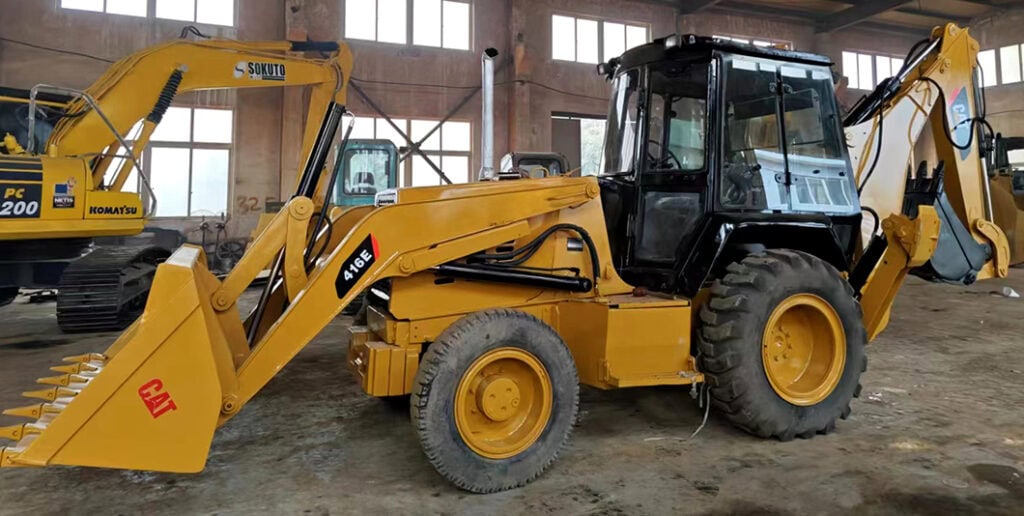
Which Backhoe Size Is Best for Small Construction Projects?
For home builders and landscapers, selecting the correct little backhoe will help you do your task faster and more efficiently without spending too much money on fuel or transportation.
A small backhoe with 25-60 HP and a digging depth of 6-9 feet is perfect for modest construction. It is compact, portable, and performs well in small settings.
Small backhoes are meant to be mobile. Their backhoe breadth enables operators to comfortably navigate confined spaces, making them ideal for residential foundation construction or garden trenching. These units are less expensive, which appeals to novice contractors and local building teams.
When comparing a tiny backhoe to a huge backhoe, the primary difference is in lifting power and reach, not size. The smaller machines continue to execute important backhoe operations such as digging, lifting, and loading efficiently.
Buyers frequently compare backhoe prices ranging from $25,000 to $50,000, depending on the type and digger specifications. If you value price, ease of maintenance, and versatility, compact units are a wise investment. They are also easier to ship abroad, which is good for exporters and resellers.
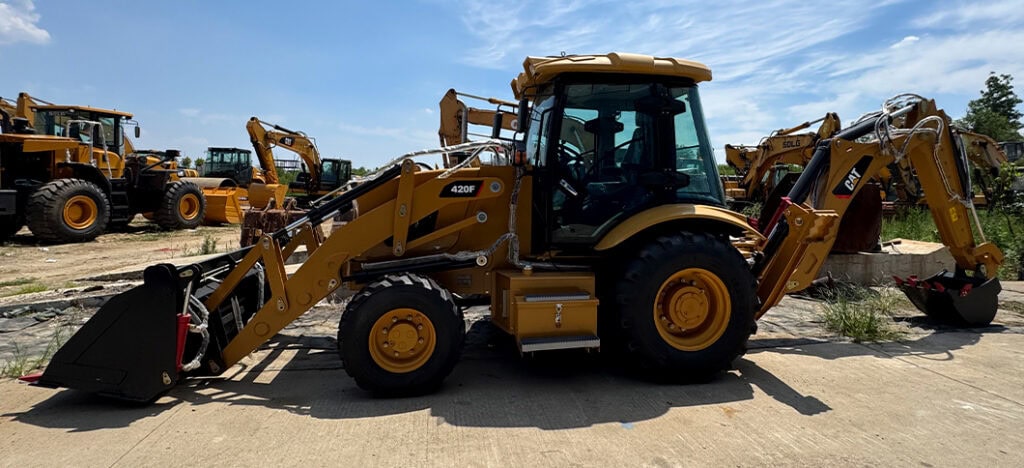
How to Choose the Right Backhoe Size for Your Worksite?
The appropriate backhoe dimensions are determined by the scope of work, ground conditions, and weight requirements. A mismatch might result in reduced efficiency or possibly safety issues.
Choose a backhoe based on digging depth, bucket capacity, terrain space, and transport constraints. Always balance project requirements with machine performance and maintenance expenses.
Begin by assessing your jobsite: Is it open or confined? What depth and width will you dig? A project needing small trenching may necessitate a compact backhoe width, whereas larger excavation areas necessitate more horsepower.
Next, compare backhoes with excavators. Backhoes are more versatile than excavatrices, as they can dig, load, and grade. Review the backhoe specification sheets from key brands such as CAT, Komatsu, and JCB to better comprehend hydraulic power and reach.
Finally, when looking for a backhoe for sale, take into account after-sales assistance and part availability. A low backhoe price may appear appealing, but quality service guarantees long-term savings.
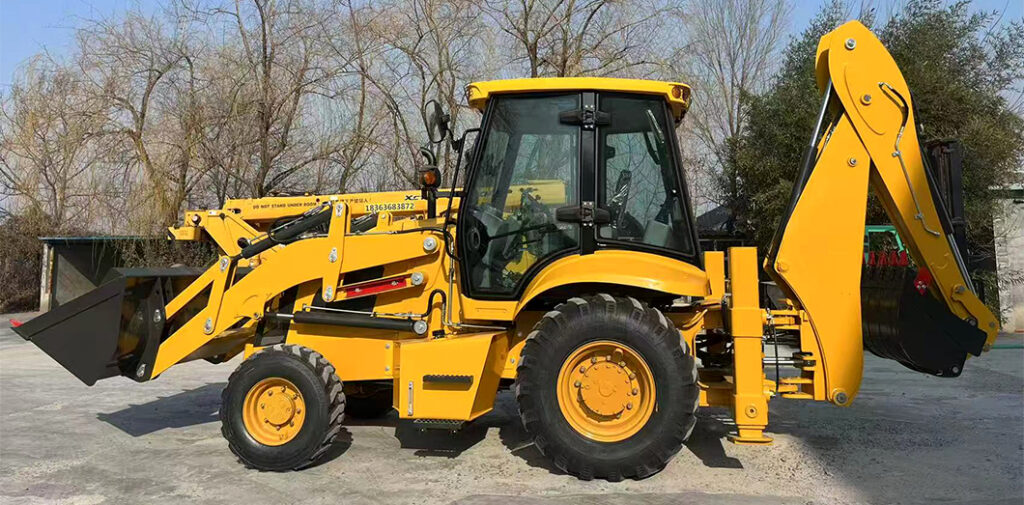
Are Large Backhoe Sizes More Efficient for Heavy-Duty Jobs?
If your company does roadwork, mining, or foundation excavating, a huge backhoe can be a great productivity booster. Large backhoe sizes provide exceptional power and reach, with dig depths reaching 17 feet and lift capacities of over 4,000 pounds, making them perfect for heavy-duty construction and excavation.
A huge backhoe has the strength and stamina required to operate continuously on tough jobs. For example, CAT backhoes in the 420-450 range and JCB backhoe 3CX models are designed for high torque and heavy payloads. These machines can replace numerous smaller units, resulting in less operating delays. Their expanded backhoe width allows them to handle large materials more efficiently.
When deciding between a backhoe and a bulldozer, keep in mind that a backhoe allows for more digging and loading versatility, whilst a bulldozer is designed for pushing and leveling. Despite higher backhoe prices, major contractors who prioritize robustness and reliability benefit from a higher long-term return on investment.
Before purchasing a huge backhoe for sale, purchasers must confirm that the operators are properly educated and that the transportation logistics are adequate. Maintenance planning is particularly important, as these machines demand more attention than their smaller equivalents.

What Are the Standard Backhoe Sizes Used in the Industry?
Every construction professional should be familiar with typical backhoe dimensions in order to plan more effectively and compare models efficiently. The most typical standard backhoe sizes include digging depths of 14-15 feet, bucket widths of 18-24 inches, and operational weights ranging from 14,000 to 18,000 pounds.
Buyers can compare machines from different brands using industry standards. For example, CAT backhoe sizes (CAT 420, 430) and the JCB backhoe 3CX are popular because they combine power, fuel efficiency, and comfort. The pelle rétrocaveuse function includes digging, trenching, lifting, and loading. Each size category defines these talents differently.
Buyers looking for a backhoe for sale can compare backhoe specifications like as hydraulic flow, turning radius, and bucket reach on manufacturer websites. Standard backhoe dimensions are useful for exporters when preparing containers and shipping internationally.
Whether you’re buying a little backhoe for gardening or a huge backhoe for industrial work, knowing these measures can help you invest wisely and prevent unexpected costs.

Résumé
Choose your backhoe size appropriately, balancing project demands and performance. The correct backhoe equipment conserves fuel, time, and money while increasing construction efficiency.