Buying an excavator might be challenging because there are so many different kinds of excavators and features to compare. Don’t worry, this guide will make it easier for you to make an informed decision.
There are several main types of excavatrices, including crawler excavators, dragline excavators, hydraulic excavators, and mini excavators. Each excavator type fits different tasks — from heavy mining to tight-area digging. Knowing excavator types and sizes helps you pick the right machine, balance performance with cost, and improve project efficiency.
Let’s look at each main excavator type in depth and see how they fit into various building and digging requirements.
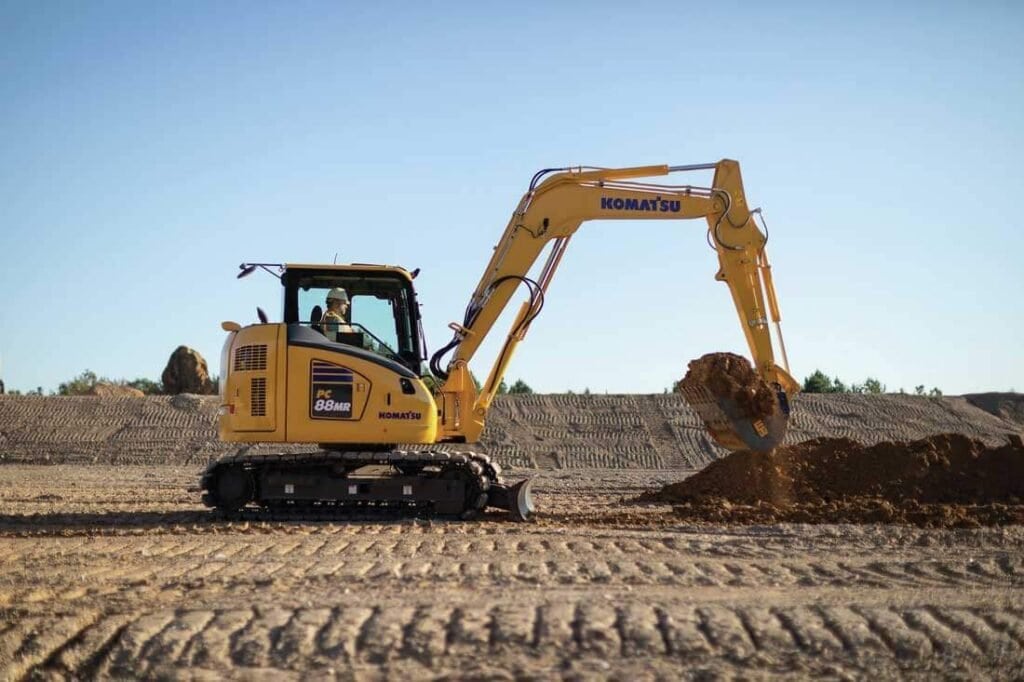
What Are the Main Types of Excavators?
When people talk about different sorts of excavators, they frequently envision enormous machines digging deep foundations. However, not all excavators have the same objective. Understanding excavator kinds and sizes enables both construction businesses and individual purchasers to match their requirements to the appropriate machine.
Excavators are classified into several categories, including crawler excavators, dragline excavators, wheeled excavators, suction excavators, hydraulic excavators, and small excavators. Depending on the work, each offers distinct advantages in terms of power, reach, and excavator size.
Crawler excavators, often known as trackhoes or track hoes, are the most frequent form of excavators used in tough terrain. The continuous rails provide great stability for mining, foundation excavating, and demolition. In contrast, hydraulic excavators use modern hydraulic systems to provide exact control. CAT excavator, Komatsu excavator, Volvo excavator, and Sany excavator are the most reliable brands in this category.
The dragline excavator is intended for large-scale applications such as underwater dredging and mining. Mini excavators and micro excavators, such as the Hitachi, Kubota, and Mecalac excavators, are ideal for minor operations because to their mobility and agility. There are even railroad excavators for rail projects and Chinese excavators for less expensive alternatives.
If you check online, models like the Cat 315 for sale, Cat 308D for sale, Cat 330 excavator for sale, and Cat 320 excavator for sale are highly sought after worldwide.Understanding these categories allows that purchasers make accurate comparisons when examining excavator prices, size guides, and definition resources.

Which Excavator Type Is Most Commonly Used?
Among the several types of excavators, one model stands out as the workhorse on most construction sites: the crawler excavator. But why is it so dominant?
Crawler excavators are the most commonly utilized excavators. They are powered by hydraulic excavator systems and provide power and precision. They are suited for heavy digging, slope work, and excavator applications in building projects around the world.
The crawler excavator machine operates on tracks rather than wheels, providing excellent traction in mud or uneven areas. That is why models such as the CAT 390F Long Reach, Cat 323F pricing models, and Cat 390 Long Reach versions are frequently utilized in mining and deep foundation operations.
This style of excavator can accept attachments such as buckets, hammers, and augers, making it handy for demolition or landscaping. When compared to a backhoe (see excavator vs backhoe), a crawler has greater stability and digging depth.
Contractors in underdeveloped countries frequently seek secondhand excavators for sale, particularly CAT excavators and Komatsu excavators, because to their durability. For smaller-scale operations, mini excavator rental options such as the temu mini excavator, the smallest mini digger, or the 13-tonne excavator provide flexibility without a large upfront expense. Crawlers are a global favorite due to their high performance, balance, and affordable excavator price.

What Are the Uses of Different Kinds of Excavators?
Before investing in an excavator, you need understand how it is used in construction. Each excavator type has a distinct purpose, and using the wrong one can slow down projects and increase expenses.
Excavators are used for a variety of purposes, including excavating, grading, demolition, material handling and mining. Choosing an excavator based on its size assures efficiency, whether you’re working on roads, forestry, or installing utilities.
A hydraulic excavator, such as the Cat 315, Sany excavator, or Komatsu excavator, offers improved control for trenching and foundation work. A long reach excavator, such as the Cat 390F specifications, is ideal for cleaning riverbanks or dredging big areas.
Mini-pelles, such as the Hitachi and Kubota models, are ideal for urban locations where agility is important. Micro excavators can fit through tiny gates. Industrial users frequently search for “pelle à vendre” ou “Mini excavatrice à vendre” to find low-cost Chinese excavators.
Meanwhile, specialized equipment such as railroad excavators maintain railway lines, while dragline excavators work in quarries. Online sellers, such as Temu excavator listings, provide smaller hobby or landscaping models. Understanding each use case helps you avoid overpaying for an excessive machine or an ineffective model.

How to Choose the Right Excavator for Your Project?
Choosing between different excavators might be intimidating. Should you go with a CAT, Volvo, or Sany excavator? Let’s make things simple.
Consider the project kind, terrain, budget, and needed excavator size when choosing an excavator. Compare excavator prices, performance, and support. Always check service networks and parts availability before making a purchase.
If you run a construction company or are looking for excavator operator positions, you must first evaluate the size of your project. For city work, a small excavator or case excavator weighing around 13 tons is ideal. For mining, choose CAT 390 long reach or Cat 320F price machines.
Second-hand markets provide appealing discounts, such as cat 315 for sale and cat 308 excavator classifieds. Always check supplier credentials, especially if you’re buying from Chinese excavator exporters offshore.
Don’t forget about operational costs: mini-pelles‘ rental prices and fuel efficiency are just as important as their purchase price. A solid excavator size guide can help you maximize output while staying within your budget. Look for reliable suppliers on Alibaba, Made-in-China, or genuine dealers who provide excavators for sale.

Where to Find Reliable Used Excavators?
Finding a reliable provider of used excavators is critical. When sourcing globally, many customers have concerns about quality assurance, logistics, and payment security.
China is one of the greatest places to acquire old excavators such as the CAT, Komatsu, and Sany excavators. Experienced exporters provide inspection, certification, and secure logistics to global clients.
A company with 15 years of export expertise, such as ours, ensures the quality of used excavators through rigorous mechanical testing and professional inspection. We specialize in selling CAT excavators and Komatsu excavators with verifiable service records.
Buyers in Peru, the Middle East, and Africa frequently search for excavator cat, pelle Sany, and volvo excavator classifieds. Each excavator is examined to ensure proper hydraulic performance and stable excavator track systems.
Buyers can locate trustworthy exporters through online platforms like Made-in-China and Google. Before making a purchasing decision, always compare excavator prices, confirm shipment timetables, and validate certification.

Résumé
Understanding the many types of excavators allows you to make more informed decisions, save money, and increase efficiency. Whether you buy or rent an excavator, make sure the size and purpose are appropriate for your project.